
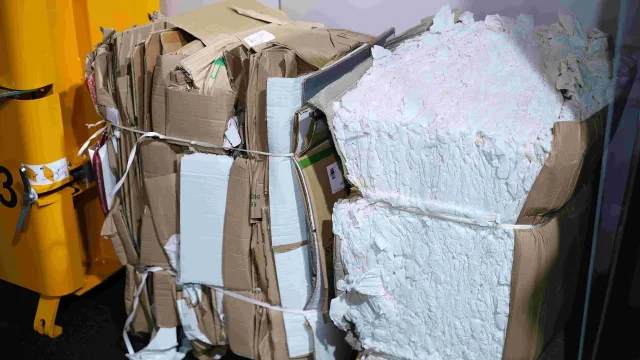
Compacting or dehydrating waste to reduce its volume and optimise transport
Sustainable mobility
- Solution type
- Everyday action
- Theme
- Sustainable mobility
Why compact, dehydrate or shred your waste before transport? Compacting waste to optimise transport has several advantages. First of all, by compressing waste, its volume is reduced, which makes it possible to carry more waste in the same vehicle. This can mean lower transport costs, as fewer trips are needed to transport the same quantity of waste. In addition, compacting waste can also help reduce greenhouse gas emissions linked to transport. By reducing the number of trips needed to transport a given quantity of waste, the amount of fuel needed for those trips is also reduced. Furthermore, compacting waste can help improve road safety, as the risk of waste falling or scattering on the road during transport and causing accidents is reduced. Finally, shredding waste can be beneficial for managing odours and the nuisances associated with waste. Shredded waste can be stored more easily without generating bad smells, as it is more compact and less exposed to the air. In short, compacting waste for transport is a common practice with many economic, environmental and safety benefits.
- Sector:
- France
Its features
Environmentally friendly
- Reduction of CO₂ emissions - Shredded waste can be recycled and composted
Member map
Map tiles are unavailable. Positions and the list remain available.
No located members for this selection.