
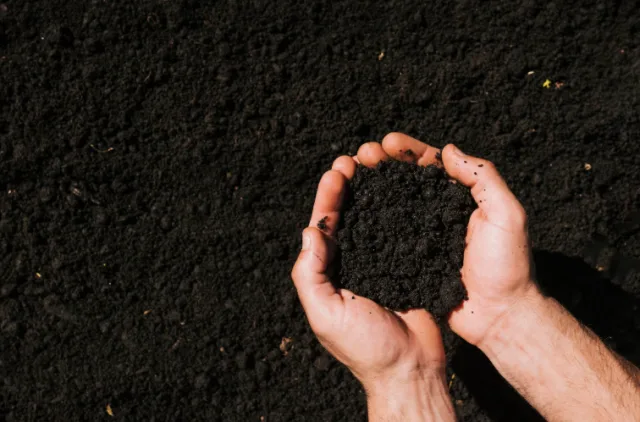
Eliminating pesticides and chemical fertilisers
Biodiversity
- Solution type
- Everyday action
- Theme
- Biodiversity
Why commit to a zero-pesticide approach? Since 1 January 2017, the Labbé law has banned the use of plant protection products (chemical products) in open public spaces such as parks, gardens, promenades and roads (with a few exceptions). On 1 July 2022, the Labbé law was extended to all spaces visited by the public or for collective use, whether private or public (such as private residential properties, hotels, campsites, EHPAD care homes, cemeteries, etc.). Beyond the regulations, it is important to commit to this zero-pesticide approach now in order to protect the environment and also human health. What are the alternatives to plant protection products? - Laying mulch and straw mulch around flowers and shrubs - Planting so-called ground-cover plants to limit the growth of unwanted weeds - Setting up a “wild” and natural area in the garden to improve biodiversity - Installing insect shelters where, for example, lacewings can nest and then feed on aphids, larvae, mites, etc. And many more... Training in natural gardening can be provided to adopt practices that respect the environment in the maintenance of green spaces.
- Sector:
- France
Its features
Environmentally friendly
- Preservation of biodiversity - Reduction of water pollution and therefore preservation of water resources - Reduction of air pollution
Community solidarity
Protecting our health
Member map
Map tiles are unavailable. Positions and the list remain available.
No located members for this selection.