
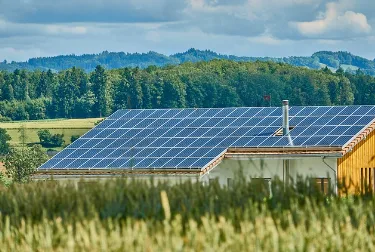
Installing solar thermal panels
Energy
- Solution type
- Everyday action
- Theme
- Energy
Why install solar thermal panels? Installing solar thermal panels offers several advantages for thermal uses such as heating, domestic hot water, industrial processes, etc. Here is why this solution is worthwhile: •Harnessing solar energy: Solar thermal panels directly harness the sun’s energy in the form of heat. They are made of high-inertia materials that transfer this heat to a heat-transfer fluid located beneath the panel. This heats the fluid to meet thermal needs. •Respect for the environment: Solar thermal energy is environmentally friendly, as its use does not generate greenhouse gases. It helps reduce CO₂ emissions and limit the impact on climate change. •Simple to manufacture and recycle: Solar thermal panels are relatively simple to manufacture and can be recycled at the end of their life. They use durable, recyclable materials, which helps preserve natural resources. •Long lifespan: Solar thermal installations generally last 20 to 30 years. This provides a long-term renewable energy source and makes it possible to recoup the initial investment. •Independence from outdoor temperature: Solar thermal panels are barely sensitive to variations in outdoor temperature. They depend mainly on sunshine, which makes them suitable for many regions. However, it is important to take certain potential drawbacks into account: •Initial investment: Setting up a solar thermal installation can represent a substantial investment. However, this can be offset by the savings made on heating costs over the long term. •Dependence on sunshine: The energy output of solar thermal panels depends directly on sunshine. Periods of low sunshine can reduce their efficiency, particularly during the winter seasons. •Need for professional installation: To ensure optimal operation, a solar thermal installation must be carried out by a professional in the field. Sizing the installation correctly is crucial to avoid overheating or underperformance. In conclusion, despite certain drawbacks, solar thermal panels offer an environmentally friendly, durable and economical solution for producing heat. They can help reduce greenhouse gas emissions, achieve energy savings and promote the use of renewable energy. How to install solar thermal panels? The main steps to follow for installing solar thermal panels are as follows: • Assessment of heating or hot water needs in order to size the solar thermal system correctly. • Feasibility study: to assess the technical, economic and regulatory viability of the installation. It is important to check whether the roof or land is suitable for installing solar thermal panels. • Design of the solar thermal system, taking the specific features of the installation into account. This involves determining the number of panels required, the type of solar collectors, the size of the storage tank, the piping, etc. • Selection of equipment such as certified solar thermal panels, solar collectors, a storage tank, temperature controllers, etc. You must make sure the equipment is suited to the specific needs of the building. • Installation of the solar panels: it is strongly recommended to call on a qualified professional to install the solar thermal panels. The panels must be installed on the roof or on a suitable support, in compliance with safety standards and regulations in force. • Connection to the existing system: The solar thermal system must be connected to the existing heating or hot water system. • Commissioning and adjustments: Once the installation is complete, the solar thermal system must be commissioned and the necessary adjustments made. • Maintenance and monitoring: it is important to set up a regular maintenance plan for the solar thermal system. This may include checking the solar collectors, checking the heat-transfer fluid, cleaning the panels, maintaining the components and monitoring the system’s performance. It is strongly recommended to use an experienced professional installer in the field of solar thermal panels to be supported throughout the process, from design to installation and commissioning.
- Sector:
- France
Its features
Environmentally friendly
•No GHG emissions during use •Recyclable materials used •A renewable energy
Member map
Map tiles are unavailable. Positions and the list remain available.
No located members for this selection.