
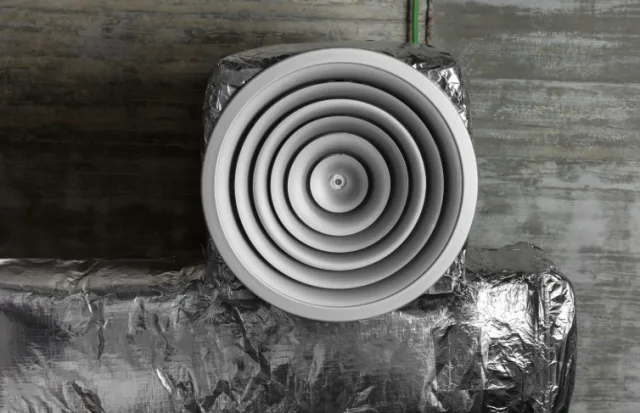
Introducing procedures to prevent hot-water heat loss
Energy
- Solution type
- Everyday action
- Theme
- Energy
Why avoid heat loss from hot water? It is essential to limit heat loss from hot water, for several reasons: • Energy savings: Heat loss from hot water leads to additional energy consumption to maintain a constant temperature. By reducing these losses, energy consumption goes down, and so does the amount of electricity or gas bills. • Reduced environmental impact: the less energy is used to heat water, the lower the greenhouse gas emissions and the smaller the carbon footprint. • Improved efficiency of the heating system: by avoiding heat loss, the heating system works more efficiently. Hot water stays hot for longer, which reduces how often heating is needed and extends the lifespan of the equipment. How can heat loss from hot water be minimised? To minimise heat loss from hot water, here are a few measures to take: • Adequate insulation of hot water pipes to reduce heat loss while the hot water is being transported. • Regulation of the hot water temperature to an appropriate level. Producing water hotter than necessary causes needless losses. The recommended temperature for domestic use is 55°C. • Regular maintenance of the equipment to ensure it works properly and to detect any leaks or insulation problems. By adopting these measures, it is possible to minimise heat loss from hot water, make energy savings and contribute to protecting the environment.
- Sector:
- France
Its features
Environmentally friendly
• Reduced energy consumption • Reduced greenhouse gas emissions
Member map
Map tiles are unavailable. Positions and the list remain available.
No located members for this selection.