
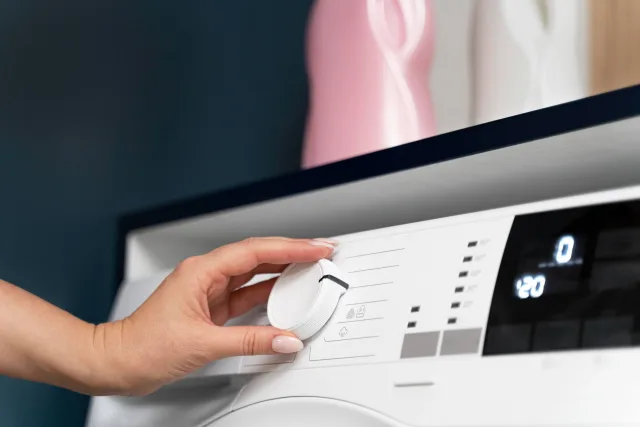
Optimising the use of water-consuming machines
Water
- Solution type
- Everyday action
- Theme
- Water
Why optimize the use of machines that use water? Water is a precious natural resource, and overconsumption or waste of this resource can have harmful consequences for aquatic ecosystems and the environment in general. By optimizing the use of machines to reduce water consumption, we contribute to the preservation of aquatic ecosystems, the protection of biodiversity and the health of natural ecosystems. How to optimize the use of machines that consume water? Here are a few tips to optimize the use of machines: - Audit water consumption: in order to identify the areas where water is used inefficiently or excessively. This may involve installing water meters, collecting data on water consumption and analyzing consumption trends. - Raise awareness and train staff: on the importance of saving water and good practices in water use. It is important to encourage them to pay attention to water use, to report leaks and to adopt responsible behaviors when using the machines. - Adopt water-saving technologies and equipment: for example, use highly energy-efficient machines equipped with water recovery or recycling systems. Technologies such as recirculation, filtration and water reuse can help reduce overall consumption. - Detect and repair leaks: which can be a significant source of waste. A leak monitoring system can also be installed to quickly detect problems and correct them. These various actions are all the more beneficial for the environment as they also reduce the probable costs linked to repairing the machine.
- Sector:
- France
Its features
Environmentally friendly
- Water savings: One of the key features of optimizing machines that consume water is the reduction in the amount of water used. By improving the efficiency of machines, optimizing washing cycles or using more water-efficient technologies, it is possible to reduce overall water consumption, which is crucial in regions where water is a limited resource. - Reduction of wastewater discharge: By optimizing machines to use less water, the amount of wastewater produced is also reduced. Less water used means less wastewater to treat and to discharge into sanitation systems or watercourses. This helps preserve water quality and reduces the load on wastewater treatment infrastructure. - Energy savings: Optimizing machines can also save energy. For example, by reducing machine operating time or using more efficient technologies, the consumption of electricity or fuel associated with running the machines can be reduced. Less energy consumed means fewer greenhouse gas emissions and a reduced environmental footprint. - Protection of aquatic ecosystems: Reducing water consumption and wastewater discharge contributes to the protection of aquatic ecosystems. Less water drawn from rivers, lakes or groundwater means less disturbance for natural ecosystems and the species that depend on them.
Member map
Map tiles are unavailable. Positions and the list remain available.
No located members for this selection.