
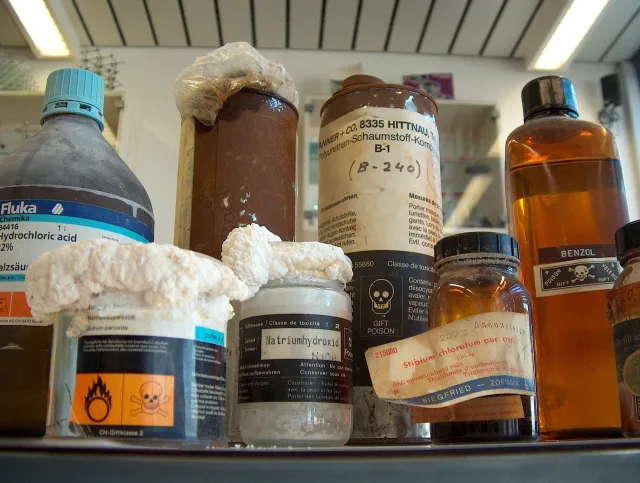
Reducing the organisation's hazardous waste volumes
Waste
- Solution type
- Everyday action
- Theme
- Waste
Why reduce the volume of hazardous waste? Hazardous waste can contain toxic, corrosive, flammable or radioactive substances which, if not properly managed, can contaminate soil, waterways and air. Reducing the amount of hazardous waste helps to minimise the negative impact on ecosystems and to preserve biodiversity. In addition, direct or indirect exposure to this waste can lead to health problems, such as respiratory diseases, neurological disorders, cancers, etc. Reducing the amount of hazardous waste helps to protect the health of local populations and of the workers involved in its management. Furthermore, many jurisdictions have introduced strict regulations on the management of hazardous waste. By reducing the production of such waste, companies and individuals can avoid the high costs of compliant management, transport and disposal. How to reduce the volume of hazardous waste? There are various practices for reducing the volume of hazardous waste: - Analysing the organisation’s production processes or activities: this makes it possible to identify the sources of hazardous waste and to look for solutions to minimise their production at source. - Identifying and using alternatives that are less hazardous and easier to manage at end of life - Training staff in hazardous waste management practices in order to reduce sorting errors - Optimising processes: for better waste management - Responsible stock management: to avoid the needless accumulation of materials that could become hazardous waste - Outsourcing waste management to specialised service providers to ensure proper disposal in compliance with regulations
- Sector:
- France
Its features
Environmentally friendly
- Environmental protection: Hazardous waste can cause significant pollution if it is not managed properly. By reducing the volume of this waste, the risk of contamination of soil, water and air is also reduced, thereby preserving the health of ecosystems and biodiversity. - Innovation and sustainable development: The search for solutions to reduce hazardous waste can encourage innovation and the implementation of sustainable practices. This can lead to the adoption of cleaner technologies, improved production processes and the search for less toxic materials and products.
Member map
Map tiles are unavailable. Positions and the list remain available.
No located members for this selection.