
Sorting and storing hazardous waste
Waste
- Solution type
- Everyday action
- Theme
- Waste
Why sort your hazardous waste? Hazardous waste, as its name suggests, carries risks to both people and the environment (health problems, pollution, risks of fire and explosion…) A review indicates that hazardous waste production rose from 11.0 Mt in 2016 to 12.1 Mt in 2018, i.e. 3.5% of the waste produced in France. It is crucial to take appropriate measures to minimise the risks associated with hazardous waste. This includes the correct sorting of hazardous waste, its appropriate treatment and disposal in accordance with the regulations in force, as well as awareness-raising, training and the use of suitable personal protective equipment by the people involved in hazardous waste management.
- Sector:
- France
Its features
Environmentally friendly
- Preservation of the environment: Hazardous waste can contaminate air, water and soil if poorly managed. Sorting it makes its appropriate treatment and disposal easier, which reduces the risks of pollution and environmental damage. - Promoting recycling and recovery: Some hazardous waste may contain valuable materials or components that can be recovered, recycled or reused. Sorting it makes the recovery of these resources easier and reduces dependence on virgin raw materials.
Second life
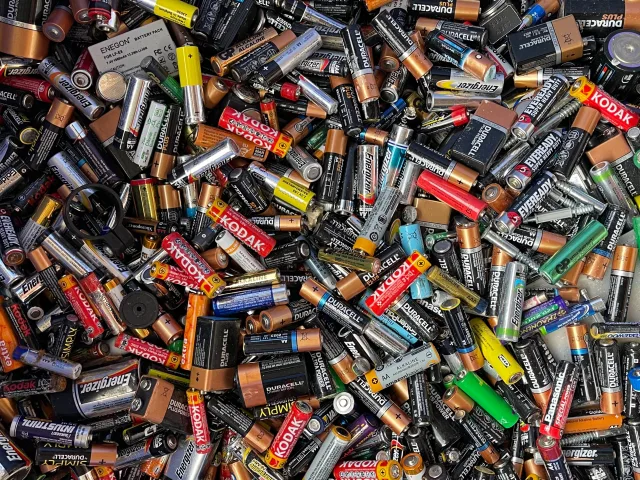
- Certain types of hazardous waste can be recycled or recovered. For example, lead batteries, batteries and accumulators, fluorescent lamps, electronic equipment, solvents and metals can be recycled to recover valuable materials or to reduce environmental impact. Recycling makes it possible to recover resources and reduce the need to extract new raw materials. - Reuse or in-house management: In some cases, hazardous waste can be reused in-house in industrial processes or specific facilities. This may involve practices of recovery, treatment or upgrading of hazardous waste as part of the company’s activities.
Solidarity
- Protection of human health: Hazardous waste may contain substances that are toxic, corrosive, flammable or harmful to human health. Sorting it correctly reduces the risks of exposure to dangerous chemicals, both for workers in the waste management sector and for the general public. - Safety of waste treatment facilities: Hazardous waste requires specific treatment and disposal methods. Sorting it allows treatment facilities to manage this waste safely and in line with safety standards. This helps prevent accidents, leaks or uncontrolled releases that could endanger human health and the environment.
Member map
Map tiles are unavailable. Positions and the list remain available.
No located members for this selection.