
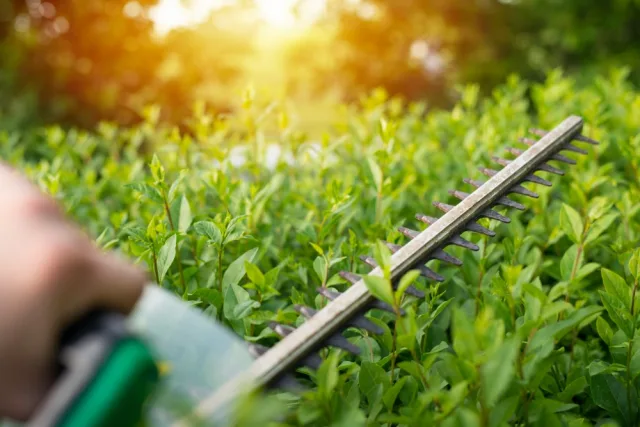
Supporting wildlife breeding by not trimming hedges during breeding periods
Biodiversity
- Solution type
- Everyday action
- Theme
- Biodiversity
How can you encourage the breeding and nesting of species by not trimming your hedges? By not trimming your hedges, breeding and nesting conditions are made more favourable for birds. Besides birds, old trees can also shelter bats or protected insects (the Grand Capricorne, the Rosalie des Alpes, the Pique-prune). For these, the regulations require obtaining a derogation including strict species protection measures (article L. 411-2 of the Code de l’environnement), to guarantee their safeguarding and the long-term maintenance of their habitats. By avoiding trimming during the breeding period, these species have the chance to reproduce and develop without interruption. When does breeding take place? Hedge trimming is not recommended from 15 March to 15 August. Indeed, from mid-March, the nesting season begins. So as not to disturb or dislodge birds during this crucial period of their life cycle, the Office français de la biodiversité recommends not trimming hedges or pruning trees from 15 March until the end of August, in particular to protect the late nesting of the turtle dove (national management plan). Moreover, it is important to note that every situation is unique, so it is preferable to take into account the specific species, to know their breeding period and the local conditions when deciding whether to trim hedges. If in doubt, it is necessary to consult a horticultural professional or local organisations specialised in wildlife protection to obtain advice suited to the situation (Association LPO; Maisons de la Nature; etc.).
- Sector:
- France
Its features
Environmentally friendly
- Preservation of the natural habitat: By avoiding hedge trimming during species breeding/nesting periods, their natural habitat is preserved. Hedges often provide nesting sites, shelter and movement corridors for many birds, mammals and insects. By leaving hedges intact during these critical periods, conditions favourable to the breeding and survival of these species are maintained. - Protection of threatened species: Some bird species, notably migratory birds, need undisturbed hedges to breed and raise their young. By avoiding trimming during breeding periods, the protection of these threatened species and the preservation of their diversity are ensured. - Conservation of biodiversity: Hedges shelter a great diversity of plant and animal species. By letting them grow naturally during breeding periods, you promote biodiversity by allowing plants and animals to develop and interact in their natural environment.
Member map
Map tiles are unavailable. Positions and the list remain available.
No located members for this selection.