
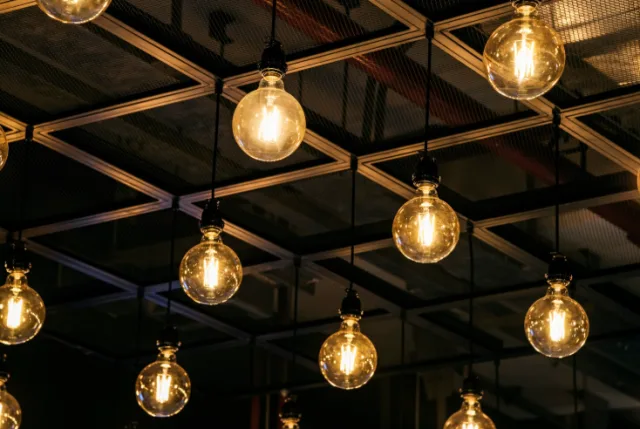
Creating lighting zones based on actual use
Energy
- Solution type
- Everyday action
- Theme
- Energy
Why take this eco-gesture? Zoning consists of defining and organising different lighting zones according to the specific needs of each space. Here are some reasons why it is important to set up consistent zoning: - Significant energy savings by zoning the lighting: luminaires can be switched on or off specifically according to occupancy and the needs of each zone. This reduces energy consumption by lighting only the zones that need it. - Lighting zoning is crucial for ensuring the safety of spaces. By highlighting specific zones, such as emergency exits or circulation routes, visibility is improved and the risk of accidents is reduced. - A zoned lighting system offers greater flexibility. It can be adapted to changes in the use of the space over time. For example, an office space can be reorganised, and the zoning can be adjusted to meet the new needs. - By optimising the use of luminaires in each zone, their lifespan can be extended by reducing unnecessary operating time. This also helps reduce replacement and maintenance costs. How to set up this zoning? Zoning an existing installation is simple but may require rewiring the luminaires by adding extra switches and contactors. Luminaires can be grouped according to: - The activity carried out - The period of occupancy - The distance from the window: “interior side” fittings are controlled separately from “glazing side” fittings. The latter can thus be switched off more often. Setting up consistent zoning according to the use of the luminaires involves several steps to ensure optimal lighting adapted to the specific needs of each zone. Here is some practical advice for setting up such zoning: - Study of specific needs: Before starting, it is essential to understand the specific lighting needs of each zone. - Classification of zones according to intended use. For example, a meeting room, a workspace, a circulation area, a relaxation area, etc. - Specific lighting for each zone according to its specific lighting needs. For example, a meeting room may need more intense lighting at the meeting table, while a relaxation area may benefit from softer, diffuse lighting. - Integration of a lighting control system for each zone: dimmers, motion detectors and natural light sensors can be used to adjust light intensity according to human presence, the time of day and natural light levels. - Selection of appropriate luminaires according to the characteristics of each zone. Variable-intensity luminaires, directional lighting fixtures and light sources with suitable colour temperatures can be used to meet specific needs. - Once the lighting system is installed, it is important to carry out tests to ensure that it meets the specific needs of each zone. - Training users on how the lighting system works
- Sector:
- France
Its features
Environmentally friendly
- Energy savings by using lighting in the right place - Optimises the lifespan of luminaires
Member map
Map tiles are unavailable. Positions and the list remain available.
No located members for this selection.