
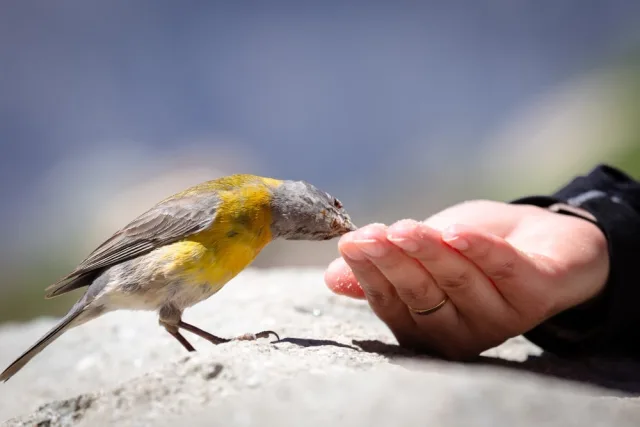
Protecting wildlife as a reference site for LPO or another association
Biodiversity
- Solution type
- Everyday action
- Theme
- Biodiversity
Why become a reference site for a wildlife protection association? In addition to the environmental benefits of protecting local wildlife, by becoming a reference site, the company has the opportunity to raise public awareness of the importance of preserving wild fauna. It is then possible to organise guided tours, talks, educational workshops and other events to inform and educate visitors about local biodiversity and conservation issues. Why become a reference site for the LPO? LPO stands for Ligue pour la Protection des Oiseaux (League for the Protection of Birds), a French non-governmental organisation founded in 1912. The LPO is dedicated to protecting birds and biodiversity in general. For a company, creating an LPO Refuge makes it possible to: - Put ethics into practice every day in the company; - Display the values of a responsible, citizen-minded company; - Involve teams in the sustainable development approach and set up environmental management; - Raise customers’ and suppliers’ awareness of environmental protection; - Showcase the living environment and the landscape of the business park; - Undertake actions that fit within the ISO 14001 standard. For local authorities, creating an LPO Refuge makes it possible to: - Put in place measures that fit within Agenda 21 and the PADD (Sustainable Planning and Development Project); - Become a player in the green and blue infrastructure network to preserve biodiversity; - Join a national network of refuges that helps restore “ecological continuities”; - Enhance urban and peri-urban spaces and local heritage; - Raise awareness and educate fellow citizens about biodiversity and help them understand the importance of respecting it; - Involve and bring together fellow citizens around local actions; - Enhance the standing of the local authority through a modern, committed approach. How to become a reference site for the LPO? For companies and local authorities, registering as an LPO Refuge involves: - An assessment of the biodiversity of the land and its ecological specificities by the local LPO’s study officers; - Reflection on natural features of interest to wild fauna and flora; - A management plan for the green spaces or the land; - Support in implementing the project, provided by the local LPO’s Refuges coordinator. Then, to create an LPO refuge, here are the steps set out by the official LPO website: • Commit to respecting the LPO Refuges Charter and to applying the 15 actions in favour of biodiversity on one’s land; • Register online on Mon espace LPO and describe the characteristics of one’s land, the future refuge. The registration will then be passed on to the local LPO for the area, which will review it; • Formalise one’s commitment on the Mon Espace LPO platform and pay the registration fee for the scheme, amounting to 250 €. Then, LPO Refuge registration includes sending a welcome kit consisting of: - a blue tit nest box - 3 mini-guide booklets - an activity booklet - a bird identification game - a calendar “Acting through the seasons”.
- Sector:
- France
Its features
Environmentally friendly
- Protection of wild fauna: By becoming a reference site for a wildlife preservation association, the company directly contributes to the protection of local species by providing a refuge and suitable habitats, thereby encouraging their presence and breeding. - Conservation of threatened species: By working with a wildlife preservation association, it is possible to take part in conservation programmes targeted at threatened species. This can include creating specific habitats, monitoring populations of endangered species and implementing appropriate protection measures. - Reintroduction of species: Some wildlife preservation associations are involved in programmes to reintroduce species into their natural habitat. By becoming a reference site, it is possible to support these efforts by providing favourable conditions for reintroduction and by taking part in monitoring and research projects.
Member map
Map tiles are unavailable. Positions and the list remain available.
No located members for this selection.