

Coffee transported by cargo sailing ship
Food and drink
- Solution type
- Product
- Theme
- Food and drink
This coffee is part of a more responsible approach to consumption, combining coffees from terroirs committed to agroecological practices with sailing ship transport, which reduces the carbon impact of getting it to market.
- Sector:
- Haut-Rhin
- Products concerned:
- Café Tierra Prometida / Café La Palma
Its features
Environmentally friendly
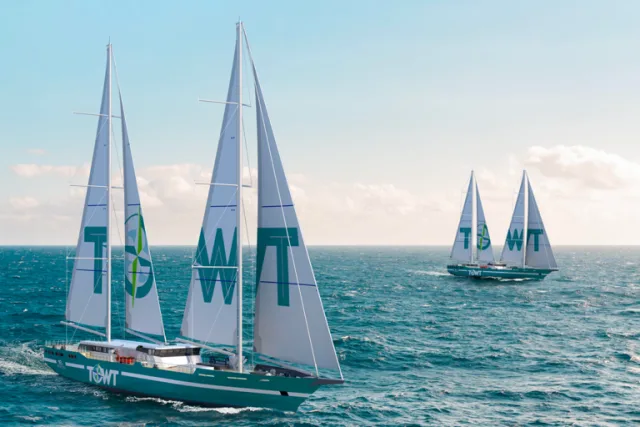
- Transport powered by the wind The coffee is shipped aboard sailing cargo ships, which use the force of the wind as their main source of propulsion. This alternative to conventional maritime transport significantly reduces the CO₂ emissions linked to its delivery. - Coffees from committed terroirs The green coffees, notably from Colombian or Salvadoran terroirs, come from initiatives that promote agroecological practices and contribute to the development of the producing communities. - A responsible supply chain The coffee's life cycle involves committed players, such as the sourcing company Belco, local producer cooperatives and the shipowner TOWT, in order to foster a more sustainable and responsible sector. - An alternative to traditional transport Sailing transport is a more sober alternative to conventional maritime shipping, limiting the use of fossil fuels and contributing to better control of the coffee's carbon footprint.
Second life
After use, coffee grounds can be added to your compost: they are a source of nutritious, soil-structuring humus and can be added as freely as you like.
Community solidarity
This service generates concrete social impacts by directly supporting producer communities in Colombia and El Salvador, thereby improving their incomes and living conditions. By promoting fair trade, it values the local agricultural work of coffee growers and strengthens social cohesion through supportive collaboration with local cooperatives. This approach makes the sector more attractive to younger generations by offering a rewarding and motivating model, which helps keep local jobs in these committed terroirs.
Life cycle of this solution
Step 1: The producer
Roasts coffee that has arrived by sailing ship.

Step 2: The distributor
Distributes the coffee while limiting its impact.
Step 3: The committed consumer
Chooses this coffee for its environmental benefits.
Take this place
Member map
Map tiles are unavailable. Positions and the list remain available.
Selected members (1)
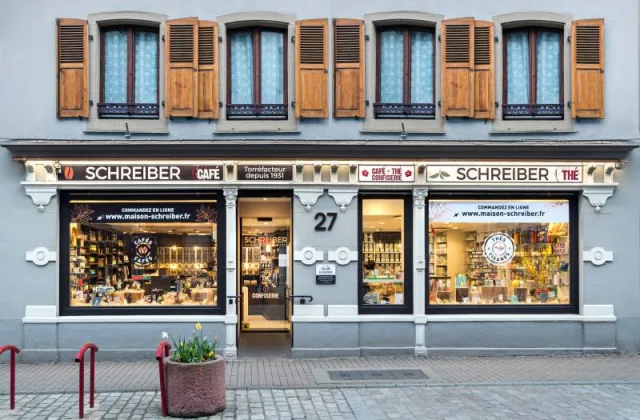
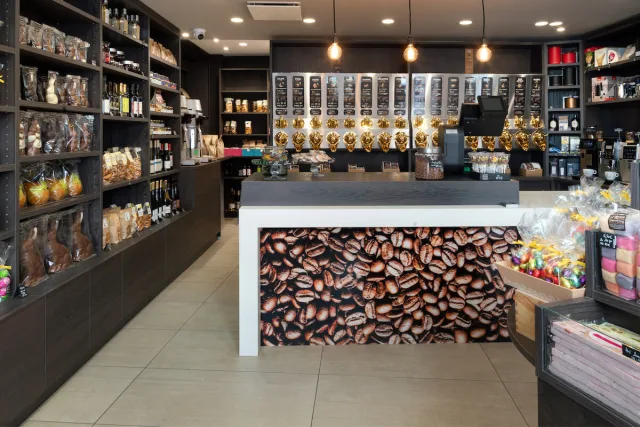
- TORREFACTION SCHREIBER CAFEMunster